Ein Bericht von Curandero, Ruben Orellana Neira
Über die Zeitabweichung der alten Kalender der Antike
und archäologische Funde (Ritualstätten) deren Anordnung
auf die Sonnenwend und Tagundnachtgleichen ausgerichtet
sind. Über die Mystik der Wiedergeburt und der spirituellen
Erneuerung.
Ancient peoples and civilizations have had a better understanding of time through the cycles of light (sun, stars, moon). Today, the Gregorian calendar, with 365 days (365.5 hours, 48 minutes, and 45.10 seconds), is almost universal, and this time discrepancy is compensated for by leap years.
The longest night is December 21st in the Gregorian calendar, and from the 22nd onward, the waxing moon begins, compensating for the twilight.
Archaeological evidence (ritual sites) dates back to the Neolithic era, specifically Wurdi Youang, probably 11,000 years old.
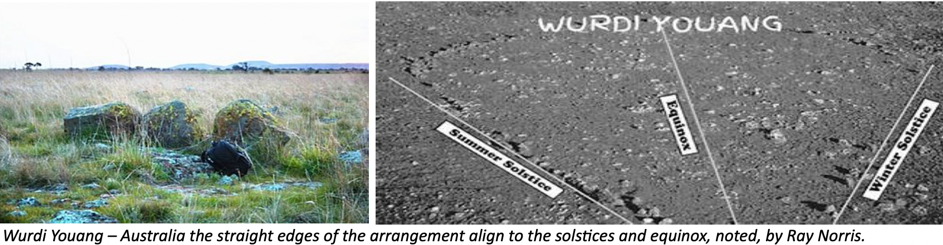
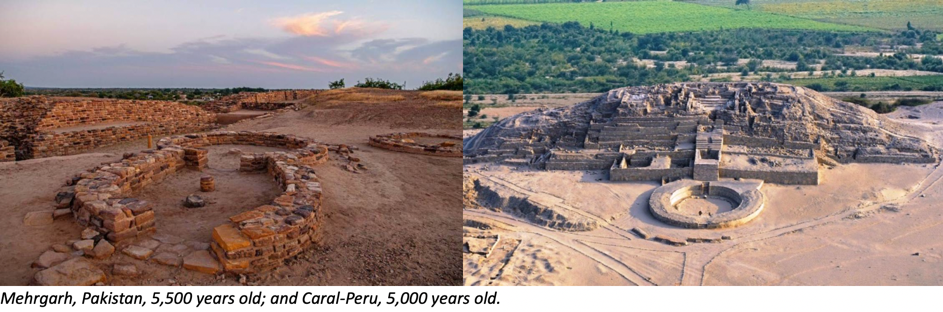
Göbekli Tepe – Turkey (9600 – 8200 BC), Mehrgarh – Pakistan (7000 – 5500 BC), Great Moraine Barnais – France (4800 – 3500 BC), Stonehenge with an age of 6,500 years and many other places in the world.
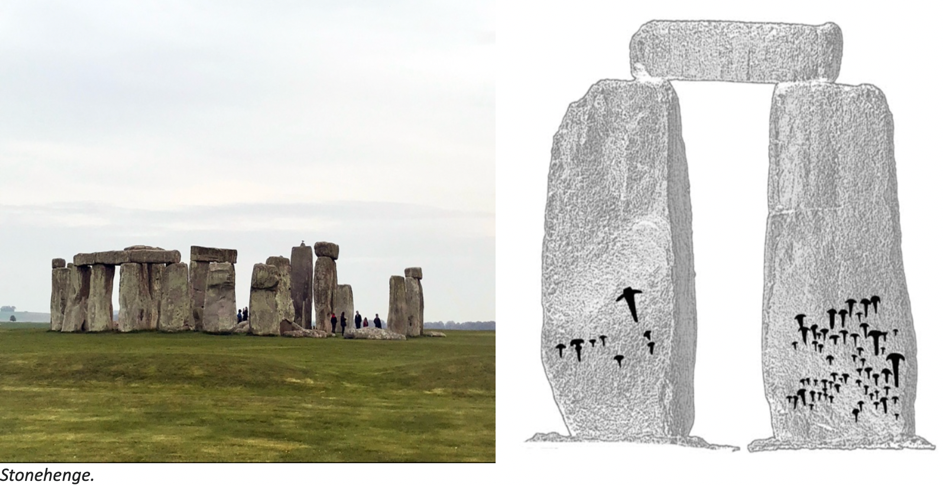
Göbekli Tepe – Turkey (9600 – 8200 BC), Mehrgarh – Pakistan (7000 – 5500 BC), Great Moraine Barnais – France (4800 – 3500 BC), Stonehenge with an age of 6,500 years and many other places in the world.
In ancient mystical terms, this date on the Gregorian calendar is very important because it is a time of rebirth and spiritual renewal amidst the greatest darkness of the year. It is a time to achieve awareness, the union of oneself in terms of spirituality and physical body, a time for healing. This allows us to prepare for a new cycle of growth and the search for enlightenment, and to sow the seeds of a new light, for the flourishing of nature and, therefore, of humankind. It is an opportunity to confront and work with our own „darkness,“ releasing fears and emotional attachments, preparing the ground for new growth.
Time to open our senses.
We must take advantage of that penumbra light which, through its photons, will allow us to restore our spiritual strength and better understand what love is for ourselves, and then be able to share it. It is a time to „feel,“ not to think logically. Let us allow that process of photons increasing in intensity to peacefully lead us to summertime, so that we may blossom radiantly.
We must take advantage of that penumbra light which, through its photons, will allow us to restore our spiritual strength and better understand what love is for ourselves, and then be able to share it. It is a time to „feel,“ not to think logically. Let us allow that process of photons increasing in intensity to peacefully lead us to summertime, so that we may blossom radiantly.
Ruben Orellana
Anthropology-Curandero